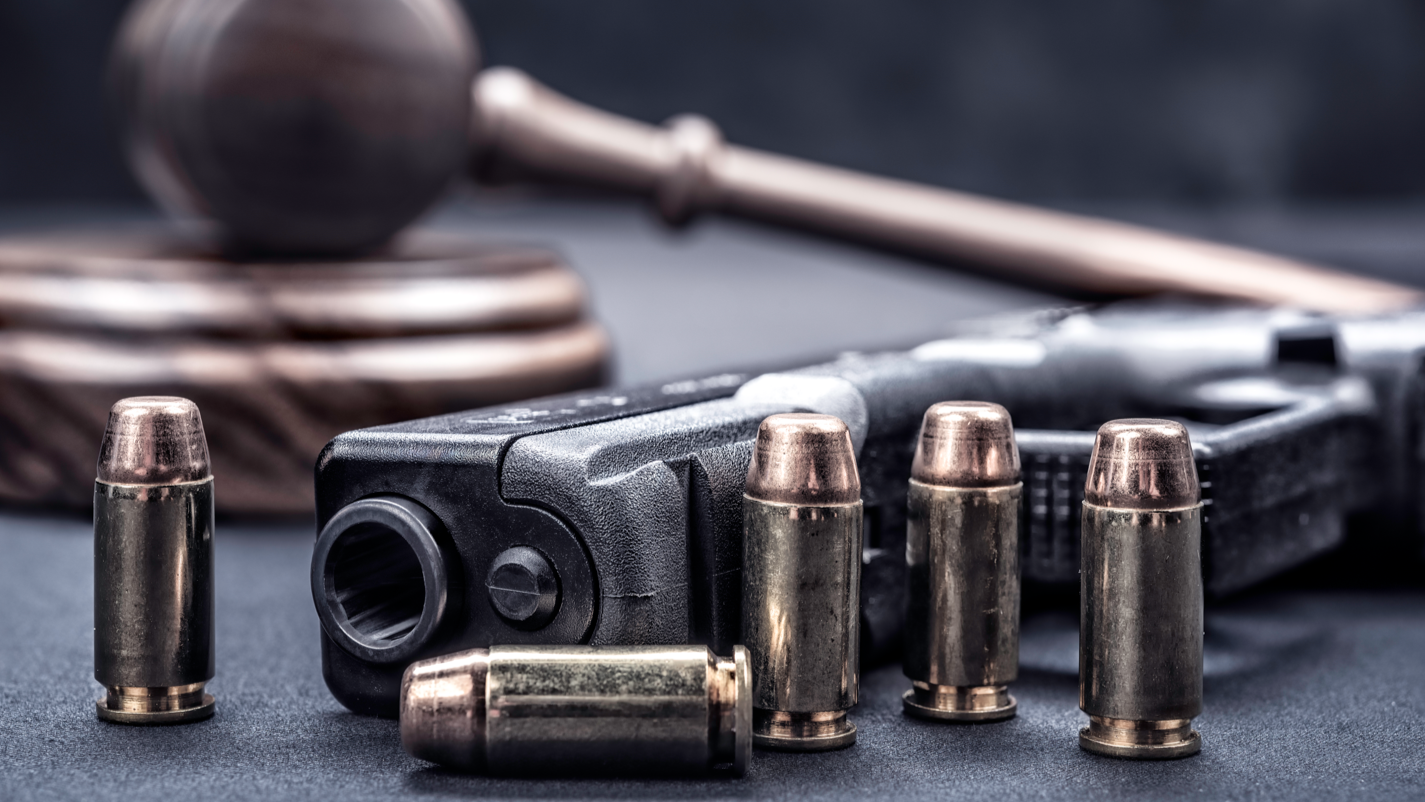
South Africa’s growing gun violence problem is a significant cause for concern for government and the public. For example, the recent spike in gun-related crimes in KwaZulu-Natal has highlighted the issue’s urgency, with the province recording a 35% increase in murder cases in 2021/22.
As we have already seen in the wake of the 2021 riots, the illicit firearm economy poses a significant threat to political and regional stability. Yet despite legislation and disarmament initiatives, the problem persists.
But while the issue is multifaceted, the availability of illegal firearms remains a significant contributor to the crisis. Research has shown that countries with stricter gun control laws tend to have fewer gun-related deaths. Conversely, countries with more readily available guns, such as the United States of America, tend to have higher rates of gun violence.
Unsurprisingly, the availability of illegal guns plays a major role in gun violence and murders in South Africa. According to the Global Initiative Against Transnational Organised Crime, an estimated 3.8 million unregistered illegal firearms are in circulation in South Africa, Mozambique, and Zimbabwe. This staggering number underscores the pressing need for decisive action to curb unlawful firearm ownership and associated violence.
While the illegal arms trade is often associated with organised crime groups, other significant sources often go unnoticed. One of these sources is the diversion of weapons from government and private security stocks. Minister of Police Bheki Cele’s revelation that over 7,000 firearms and 10 million rounds of ammunition were lost or stolen from the police service over the past decade is concerning and raises serious questions about the vulnerability of the police network and the extent of the illegal trafficking of guns.
Multifaceted solutions for a complex problem
More can and must be done. Notably, one practical and proven solution for reducing the number of guns in the country is firearm amnesty initiatives. Between December 2019 and January 2021, almost 100,000 firearms were surrendered to the police, of which a quarter were legally owned.
As the President of the Police and Prisons Civil Rights Union (POPCRU), I urge government to implement another gun amnesty period. Another amnesty period is necessary to encourage the public to surrender their weapons without fear of prosecution voluntarily.
Government must further ensure that the surrendered guns are correctly disposed of, ensuring they do not end up back on the streets. Greater oversight and management of this process will give the public peace of mind that weapons will not end up back in the hands of criminals.
Additionally, to prevent the illegal transfer of firearms, authorities could consider increasing the penalties for gun trafficking and straw purchasing. Gun trafficking involves the illicit movement of weapons, often across state or national borders, with the intent of selling them for criminal purposes. Straw purchasing, on the other hand, is when someone buys a firearm on behalf of someone prohibited from owning or possessing a gun. Increasing the penalties for these activities could deter those who engage in the illegal transfer of firearms, potentially reducing gun violence and improving public safety.
Finally, government could consider initiatives such as funding research into gun violence prevention to understand better the problem’s root causes and the most effective interventions or solutions needed. Likewise, it could implement community-based prevention and education programmes that address the dangers of guns.
Ultimately, the issue of gun violence in South Africa is multifaceted and will require a multi-pronged, comprehensive approach to solve. But these interventions are necessary to create safer communities for households and businesses to thrive.