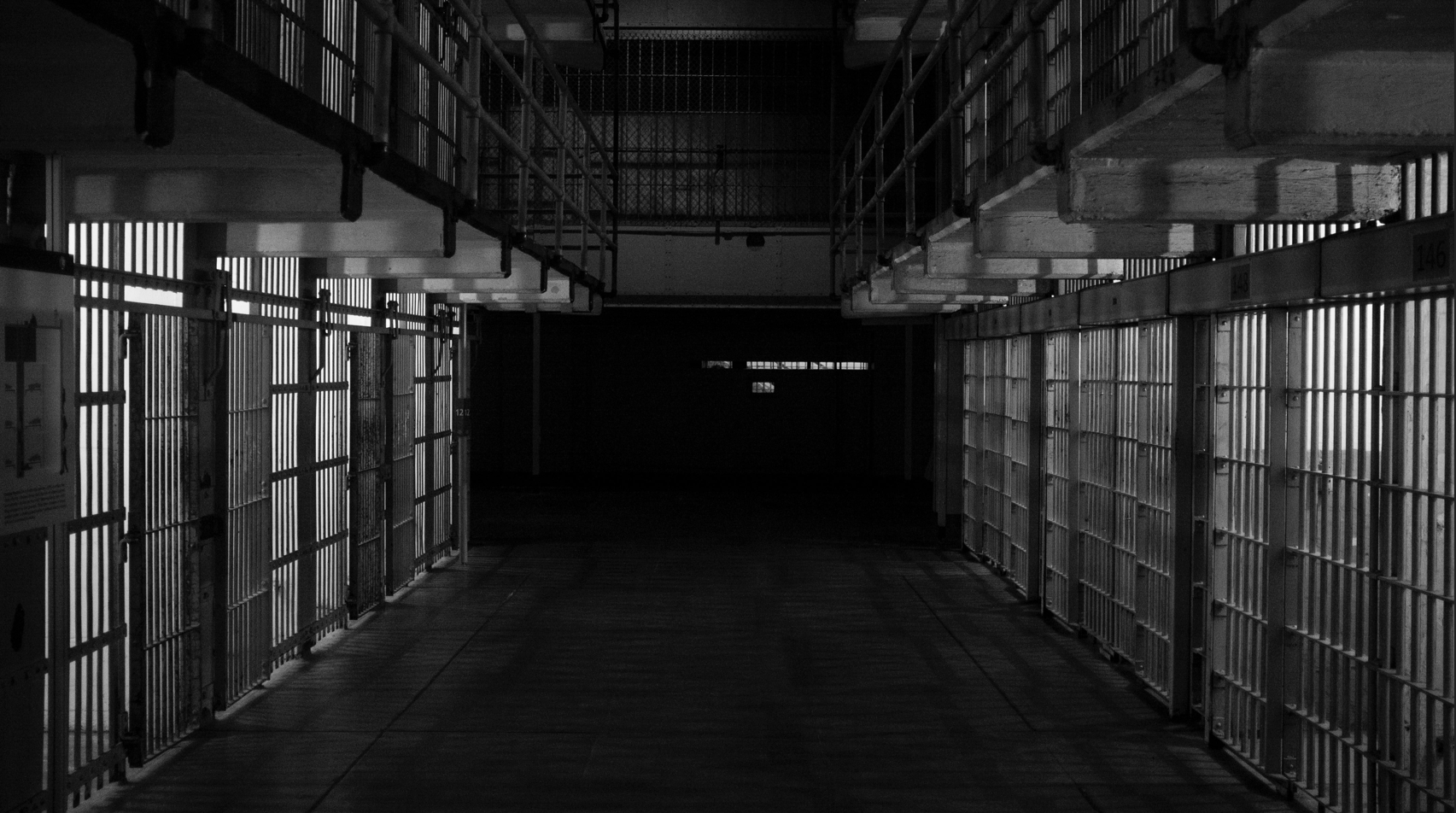
The recent spate of prisoner escapes, such as the well-publicised escape of convicted rapist and murderer Thabo Bester and the escape of another two convicted rapists in the Eastern Cape, have exposed the severe weaknesses in South Africa’s prison system.
The statistics are alarming. According to the justice and correctional services minister Ronald Lamola, 285 prisoners have escaped from custody over the past six financial years, from 2017/2018 to 2022/2023. This means an average of 48 prisoners escape from SA prisons yearly.
Between March 2022 and March 2023 alone, there were another nine escapes from facilities nationwide. And just last month, four inmates who were convicted for serious offences, including robbery, rape, and murder, escaped from Rooigrond Prison in the North West, breaking a cell window to make their escape.
To ensure the safety of inmates and staff within prisons, it is crucial that the government provides the necessary resources and implements effective strategies to improve the conditions and operations of these facilities. Here are some suggestions that can be implemented to make prisons safer:
- Greater infrastructure and resource investments: Inadequate security measures are a significant contributor to the problem of prison breakouts. For example, poor perimeter fencing, and a lack of surveillance cameras makes it easier for prisoners to escape undetected. Additionally, prison authorities require more technology and tools for detecting and preventing escapes. Without proper equipment, it becomes much more difficult to see contraband items, weapons, and other prohibited items that can aid in an escape attempt.
- Greater staff investments: Investing in staff training and providing adequate resources to prisons is crucial. When staff members are adequately trained, they may be more aware of necessary security protocols and procedures, leading to reduced human error and negligence. Additionally, limited staff supervision owing to an inadequate number of correctional officers is also a contributing factor in escapes, making it more challenging to maintain order and discipline.
- Greater penalties for corruption: Corruption among prison staff is serious and can take many forms, such as staff accepting bribes to provide contraband items to prisoners, conspiring with inmates to facilitate escapes, or even physically abusing prisoners. We need to take a tougher stance on corruption within the department. Corrupt officials must face harsher sentences, as this will set an example and deter others by sending a strong message that corruption will not be tolerated.
- Reduced overcrowding: When prisons are overcrowded, there are several negative consequences for inmates and staff, including increased violence and other types of criminal behaviour. But one of the most significant consequences is that it becomes much easier for prisoners to blend in and escape unnoticed. We can improve this by building new facilities, expanding existing facilities, and implementing alternative sentencing programs. For example, reducing the number of individuals imprisoned for non-violent offences, and implementing more effective rehabilitation programmes could help to reduce overcrowding.
- Improved systems: Inadequate inmate classification and risk assessment procedures are significant contributors to prison escapes. High-risk inmates are more likely to escape and threaten society if placed in lower-security facilities. At times, however, inmates are transferred to facilities that do not have the necessary resources to handle their specific needs, making it easier for them to plan and execute escape attempts. Additionally, more staff need to be trained to carry out inmate evaluations accurately and efficiently.
- Improved maintenance: Poor maintenance of facilities and equipment significantly contributes to prison breakouts. In many cases, locks, doors, and windows are not properly maintained, making it easier for prisoners to escape. Broken locks or doors can be exploited by prisoners to gain access to restricted areas or to make their way out of the facility. Similarly, windows that are not properly secured can be used to escape undetected. The regular maintenance of their facilities and equipment therefore needs to be prioritised.
The prevalence of prison escapes in South Africa is of grave concern, threatening society and undermining the criminal justice system. A tougher stance is needed, and the government must be responsible for ensuring that the necessary preventative measures are taken.