By Zizamele-Cebekhulu-Makhaza, President of POPCRU
South Africa’s landmark constitution is lauded globally as a champion of human rights. However, the country’s high crime rate continues to threaten our democracy, economy, and ultimately, all who live in this diverse land.
South Africans are well-versed with the high levels of crime, how it affects their lives, and our democratic institutions. Police Minister Bheki Cele’s latest quarterly crime statistics showed that 13 crime categories have gotten worse, with five of them at the worst levels seen in the past five years including murder, attempted murder and carjacking.
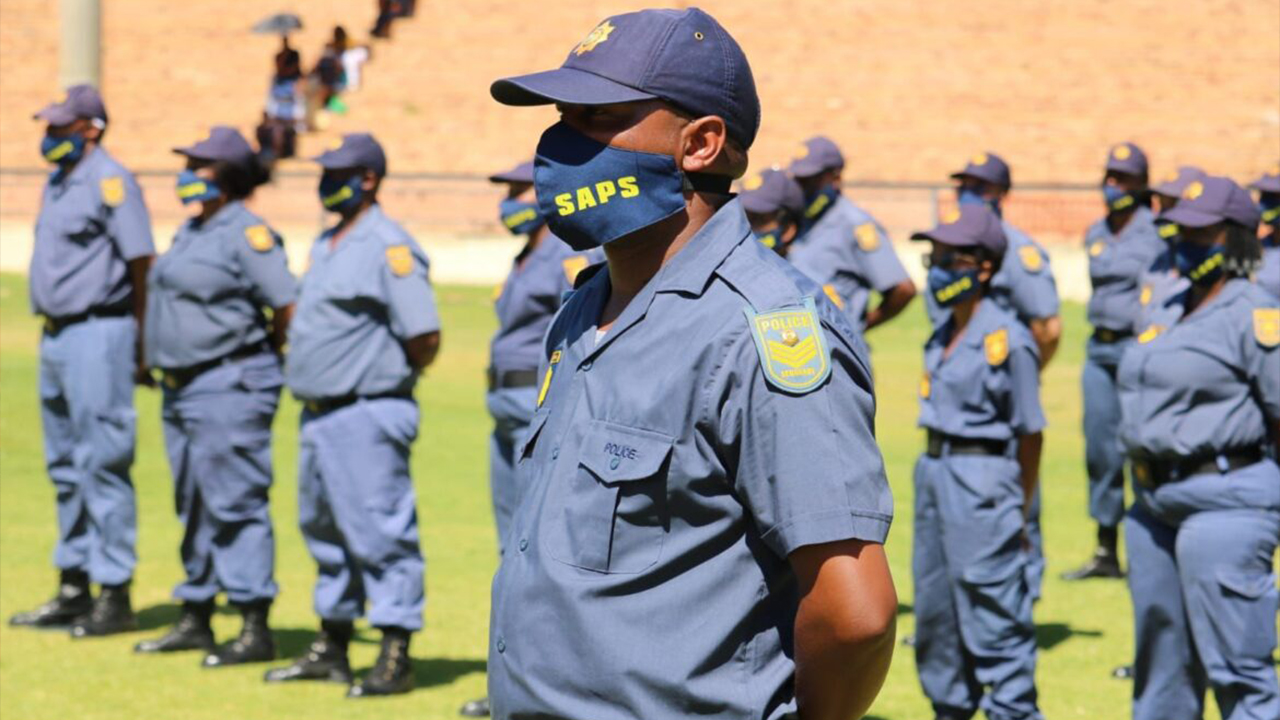
The South African Police Services’ (SAPS) ability to solve murders has declined by 38% in the past decade. Currently, the police are only able to solve 19 out of every 100 murders committed in South Africa. According to an October 2021 Afrobarometer survey, only 26% of South Africans say that they trust the police “somewhat” or “a lot”, and distrust of the police is at the highest level seen in the past twenty years.
As the President of POPCRU and as someone who has spent his entire career within the police and prisons sector, I have proposed and continue to recommend several reforms to reduce crime rates and effect social change:
- Enhanced training
I’m a strong proponent of education and believe that improved training is key to more effective policing and, as a result, a better society. Eighteen months in the police college is just not sufficient against increasingly sophisticated criminals.
For example, police officers must present their cases in court and face off against highly skilled advocates and defence lawyers. Continuous training and improved support structures need to be provided to enable these police to suitably present themselves in court and better support the workings of the judicial system.
- Community policing
Community policing has been in existence for over 27 years, but despite its successes still has massive untapped potential for reducing crime.
Notably, community policing and active citizen participation is essential to collecting intelligence, as community involvement in crime-fighting efforts forges a sense of trust with the police and encourages communities to give tip-offs and report crimes more regularly.
To improve this model, community policing could be incorporated into mainstream policing policy and better integrated into policing efforts.
- Redistribution of resources
There are many highly skilled and decorated police officers who are currently filling administrative roles within the police structure. The relocation of these officers from national executive positions to active policing would allow for more active police officers on the ground.
Additionally, the legacy left by apartheid means that many poorer and rural areas on the outskirts of the country’s bigger cities are still neglected by the state to this day. A reconfiguration of resources could impact crime-fighting dramatically.
This needs to start with comprehensive research and development. When we understand the different social issues that are plaguing different areas, we will have a much clearer sense of how best to deploy resources. This will ensure that we do not need to formulate special investigating units whenever a particular crime becomes more prevalent.
- Freeing police officers from administrative tasks
Administrative duties should be the responsibility of ordinary citizens rather than trained police officers, allowing our experienced and skilled officers to be on the ground instead.
A full skills analysis should be used to determine how and where to deploy trained officials. Skilled police and correctional service officers are often undervalued and underutilised, and many officers with doctorate degrees are currently languishing in police stations.
- Dedicated courts
There are various intricacies involved in fighting certain crimes like Gender Based Violence (GBV), which is a massive challenge for South African society. To solve the issue, we need to have dedicated court systems that solely deal with GBV. This would allow for additional required resources like psychologists and social workers to be dedicated to these GBV court systems.
- Prison reforms
Prisons should be used to facilitate the full rehabilitation of offenders rather than focusing solely on punishment. To accomplish this, our prison system requires reform, beginning with relocating our prisons to rural areas away from criminal networks.
Convicted criminals should then be allowed to learn skills, work and give back to society. In the past, it is worth remembering that prisoners were even able to earn money for certain tasks that could be sent directly to their families, who were often left without a breadwinner.
- Technological advancements
It is essential that as a police and prison sector we improve our technological advancements and get behind the advancements of the fourth industrial revolution. This will strengthen our efforts in fighting crime through boosting intelligence, as well as capacitate the police to better deal with new types of cybercrimes.
Ultimately, the South African police should be the first port of call for citizens. These are just some of the ways in which we can achieve this goal, significantly improving our police and prisons sector while reducing crime networks’ hold on the economy for the benefit of all.
- The South African National Defence Force should not be deployed to fight crime
Although there might be short term gains from deploying the South African National Defence Force in crime-ridden urban areas of the country, I firmly believe that deploying the army and sending in soldiers to deal with social issues is a sign that the police department is failing to deal with crime. This is a waste of resources as soldiers are not trained and equipped to deal with societal ills.
If it’s fast and cheap, it will never be good. If it’s cheap and good, it will never work out quickly. And if it is good and fast, it will never come cheap. But remember: of the three you still have to always choose two.
Think about the content that you want to invest in a created object, and only then will form. The thing is your spirit. A spirit unlike forms hard copy.
I love the feel and sophistication of its superiority. I like people with a keen mind and at the same time easy to talk to.