By Dr Zizamele Cebekhulu-Makhaza, Chairperson, Safer South Africa Foundation (SSAF)
Recently, a 47-year-old Free State police officer drove to a family gathering in Hennenman searching for his girlfriend. When told she wasn’t there, he opened fire, killing three people and injuring two more, then turned his service weapon on himself. Less than a month earlier, an Eastern Cape constable shot and killed his former girlfriend, a fellow officer, and himself.
These tragedies are not isolated incidents, and they speak directly to something we cannot keep looking away from: our police officers need accessible, confidential, stigma-free mental health support before personal crises become public ones.
The numbers tell their own story. One SAPS member died by suicide every week on average last year, according to the South African Society of Psychiatrists. A 2025 study in the South African Journal of Psychology found nearly half of officers and paramedics showing signs of depression, almost five times the general population rate, with PTSD at 21 times the rate of the communities they serve.
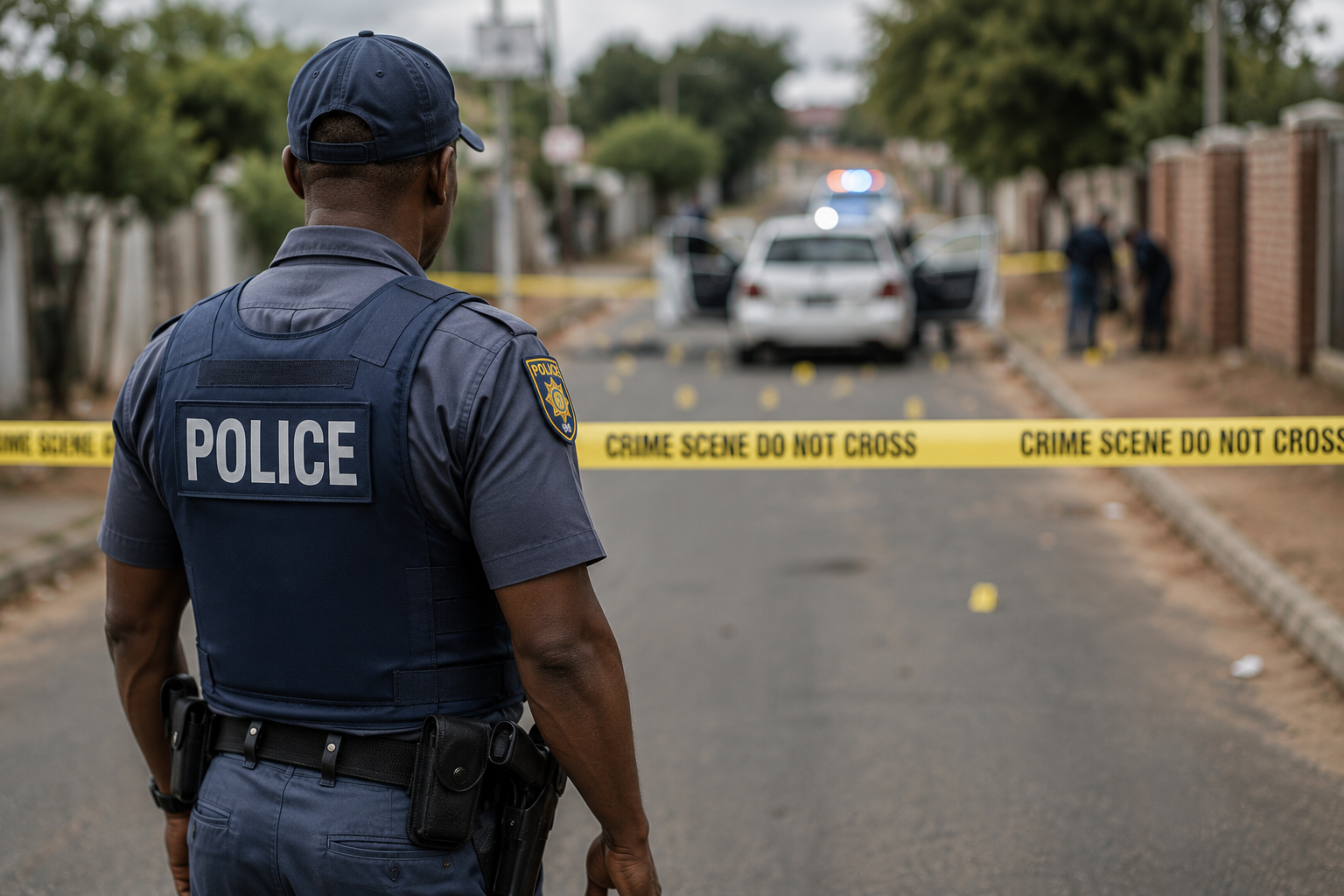
This isn’t about who our officers are. It’s about what we ask them to do. One moment they’re standing at a murder scene; the next they’re placing their own bodies between a victim and an attacker. They respond to cash-in-transit robberies, missing children, and some of the most violent communities in the world, then drive home carrying that weight with no disciplined system to help them put it down.
Much of this comes down to a culture of silence. The conditioning that teaches men to suffer quietly is killing people, and in uniformed services, that conditioning becomes even more dangerous. Officers fear that showing distress will be read as weakness, threaten their fitness for duty, or reach the very line managers they’d need to confide in. When the person you’d trust with your struggle reports on your career, silence starts to feel like self-preservation.
The institutions meant to help are stretched far too thin. SAPS has only 621 health and wellness employees for more than 187,000 officials, and no single person can meaningfully support 300 officers a month, particularly not in under-resourced rural stations.
This crisis doesn’t exist apart from the broader institutional dysfunction we’ve raised before at SSAF. We’re calling on criminal justice cluster leadership to properly staff and fund psychological support in every province, prioritising rural stations; to make confidential debriefing standard after every traumatic scene; to have leadership actively model help-seeking; to build a clear, non-punitive process for managing service-weapon access when an officer is in distress; and to report on officers’ psychological health with the same rigour applied to crime statistics. The tragedies of recent months did not have to happen. Behind each one was someone overwhelmed and failed by the institution they served with pride. Today, I’m asking SAPS leadership, the Minister of Police, and every South African who cares about this country to extend real concern to the men and women who stand between us and harm, and to change the system meant to support them.