By Dr Zizamele Cebekhulu-Makhaza, Chairman of the Safer South Africa Foundation
This past weekend, South Africa marked Mandela Day, a moment set aside to honour a life spent defending the dignity of others. It is right that we do. But a day of remembrance without honesty is only a ceremony. So let’s be honest about a question we keep stepping around: how many of the harms we still inflict on women and children in this country are excused with three words – it’s our culture?
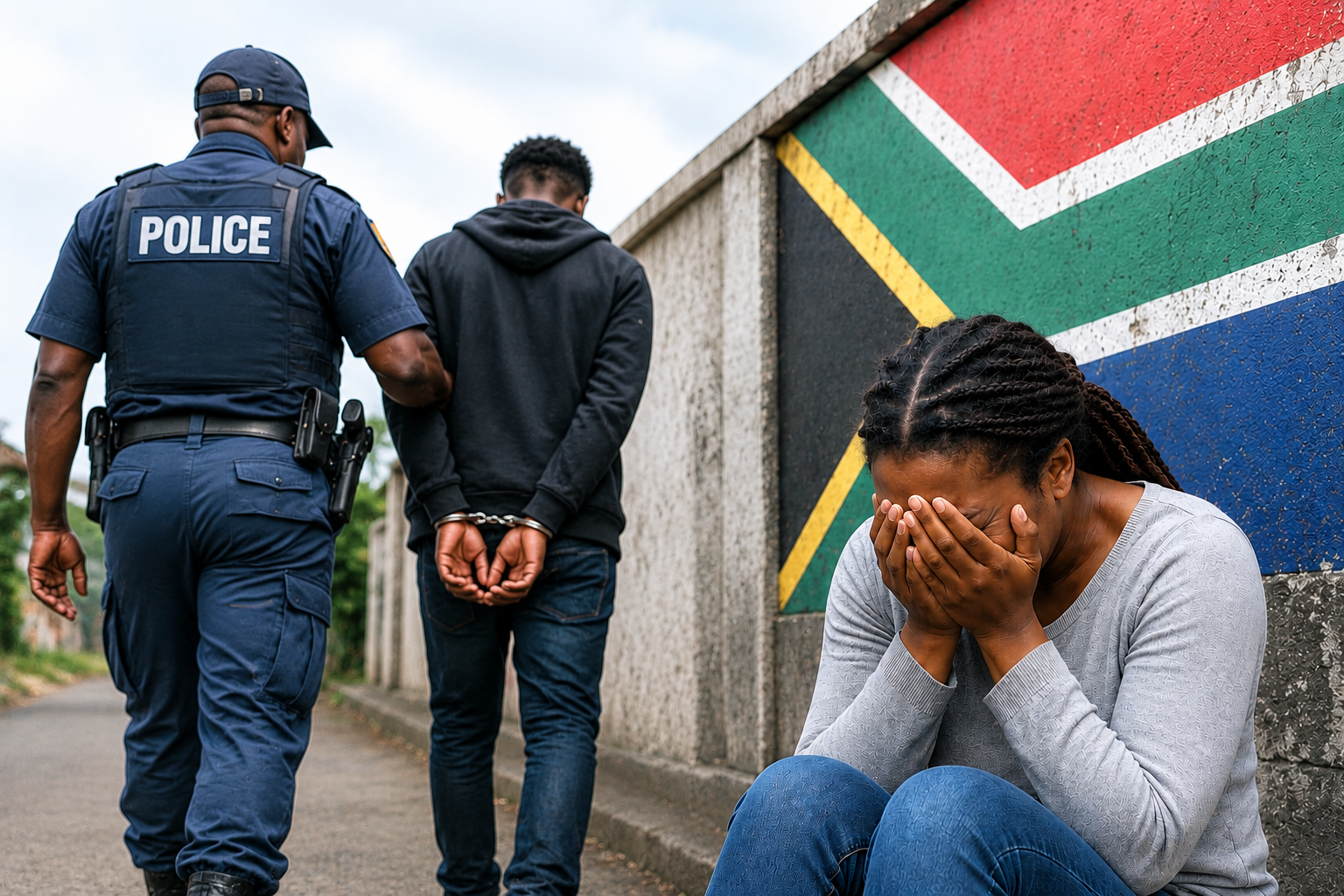
I have spent my life in and around the criminal justice system, and I have seen where these harms end. Let me say this plainly, as someone who loves this country’s cultures and will defend them: no culture can justify a fist raised against a woman, or sanctify beating a child, or forcing a girl into marriage. No custom, however old and deeply held, stands above the safety of the people it claims to bind. When a practice can only survive by leaving someone hurt, frightened or silenced, it stops being culture and starts looking like crime.
This isn’t only my opinion. Our courts have been clear that there is no cultural defence in South African criminal law. A person’s background may weigh on a sentence, but it cannot turn an unlawful act into a lawful one. The Constitution is the supreme law of this land, and every custom we hold lives under it, not above it. Drawing that line isn’t an attack on culture – it’s the Constitution doing exactly what we asked of it. This is pro-dignity for every South African; it is not anti-culture.
So why raise this now? Because prevention doesn’t begin in a courtroom. It begins at a kitchen table, in a classroom, in the words a community uses in front of its children. A boy who grows up watching a woman degraded and hearing it called discipline learns it too. Our work is to reach young people before that exposure hardens into habit — teaching them to tell right from wrong even when wrong wears a familiar face. That’s what the Safer South Africa Foundation does in schools and communities every week: not lecturing tradition away, but showing young people the difference between what builds a person up and what breaks one down.
It’s unfair to ask children to carry this alone. A safer country isn’t built by foundations or police alone; it’s built by all of us, or not at all. Parents, teachers, traditional and faith leaders, and community organisations all have a role – their voices reach into homes no government programme can. When a respected elder says plainly that a real man never raises a hand to his family, that has an impact nothing else matches. Where abuse is concerned, silence is complicity.
None of this asks anyone to surrender who they are. Culture has never been carved in stone – it evolves, shedding what no longer serves its people and keeping what does. Nelson Mandela’s generation loved their traditions and still found the courage to challenge what they had been taught to accept. We’re asking today’s young people, and the adults around them, to carry that same courage closest to home: keep every song, ritual and value that gives us our pride, and leave behind the cruelty that has learnt to hide inside them.
Education is prevention. A person’s dignity is not negotiable.